Chasing losses
How to Stop Chasing Gambling Losses Before Another Deposit
The next bet cannot repair the decision already made. Interrupt the chase, protect what remains and make the route back to gambling harder.
Quick answer
How to Stop Chasing Gambling Losses Before Another Deposit
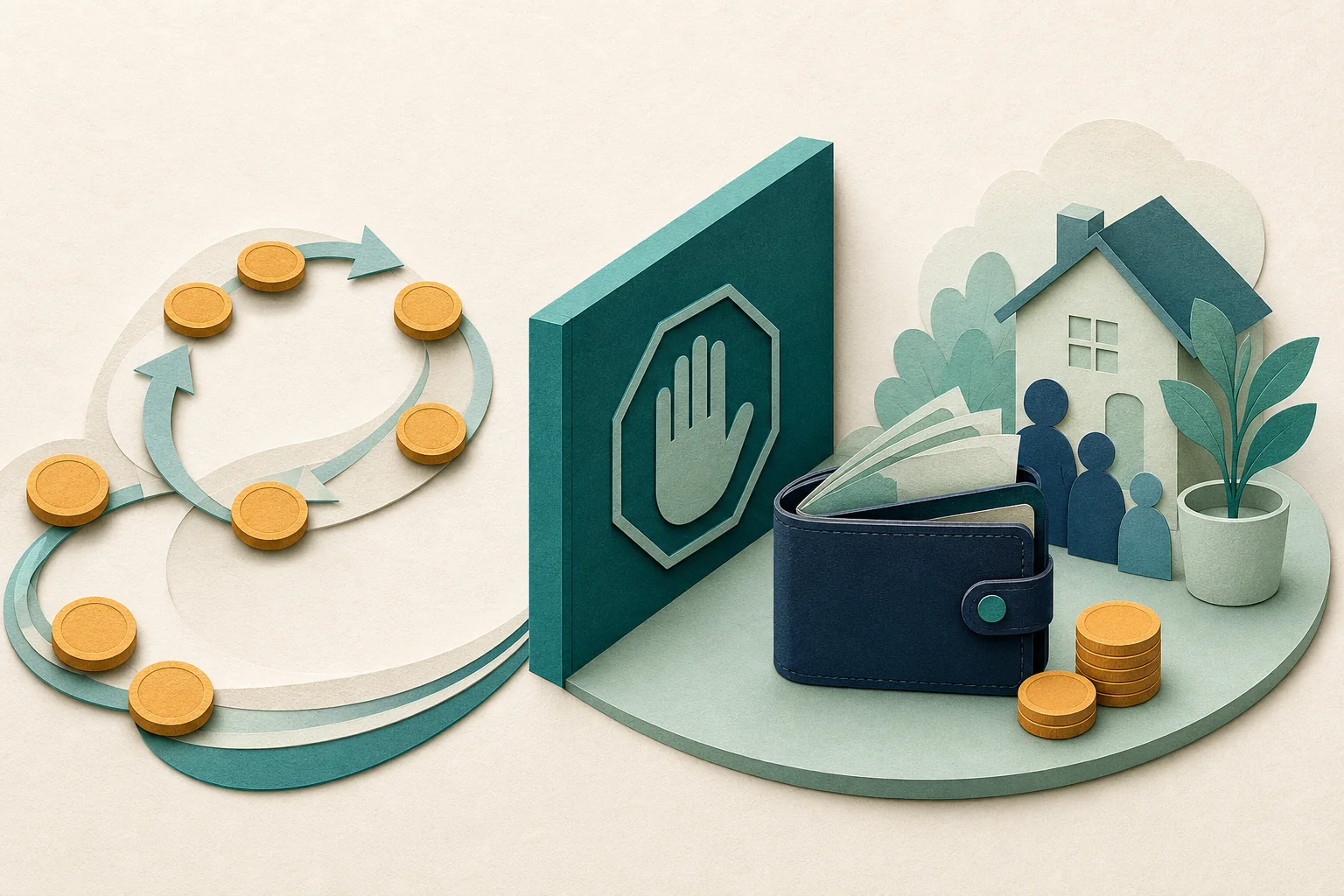
To stop chasing a gambling loss, do not make another deposit. Close the app or leave the venue, move remaining money away from the payment method, activate a block and tell someone what happened. The loss is already fixed; another bet creates a new risk rather than a recovery plan. Review the trigger only after the immediate urge has passed.
Key points
- A chase deposit is a new risk, not a way to undo the previous result.
- Change location and payment access before debating the next bet.
- Protect the money that remains before calculating the loss.
- Create a specific after-loss rule for future sessions.
What does chasing losses mean?
Chasing losses means continuing or returning to gambling mainly to win back money already lost. It often appears as a repeat deposit, a larger stake, a switch to faster gambling or a decision to keep playing past the original stopping point.
The goal changes during the session. What began as entertainment or a planned bet becomes an attempt to repair the balance, the day or the feeling created by losing. GamCare lists chasing losses as a sign that gambling may be causing harm.
Why does another bet feel urgent after a loss?
A loss can feel unfinished. The mind focuses on getting back to the earlier balance and treats stopping as accepting failure. Fast gambling products and instant deposits shorten the time available to question that reaction.
But the next result is not linked to what you lost. Increasing the amount or changing the product does not make recovery due. It only exposes more money to a new uncertain outcome. The useful decision is not how to recover the loss through gambling; it is how to prevent the loss from growing.
Use this ten-minute anti-chasing plan
- Stop the transaction. Do not leave a deposit screen open whilst you think.
- Change place. Stand up, leave the room or venue and put the phone out of reach.
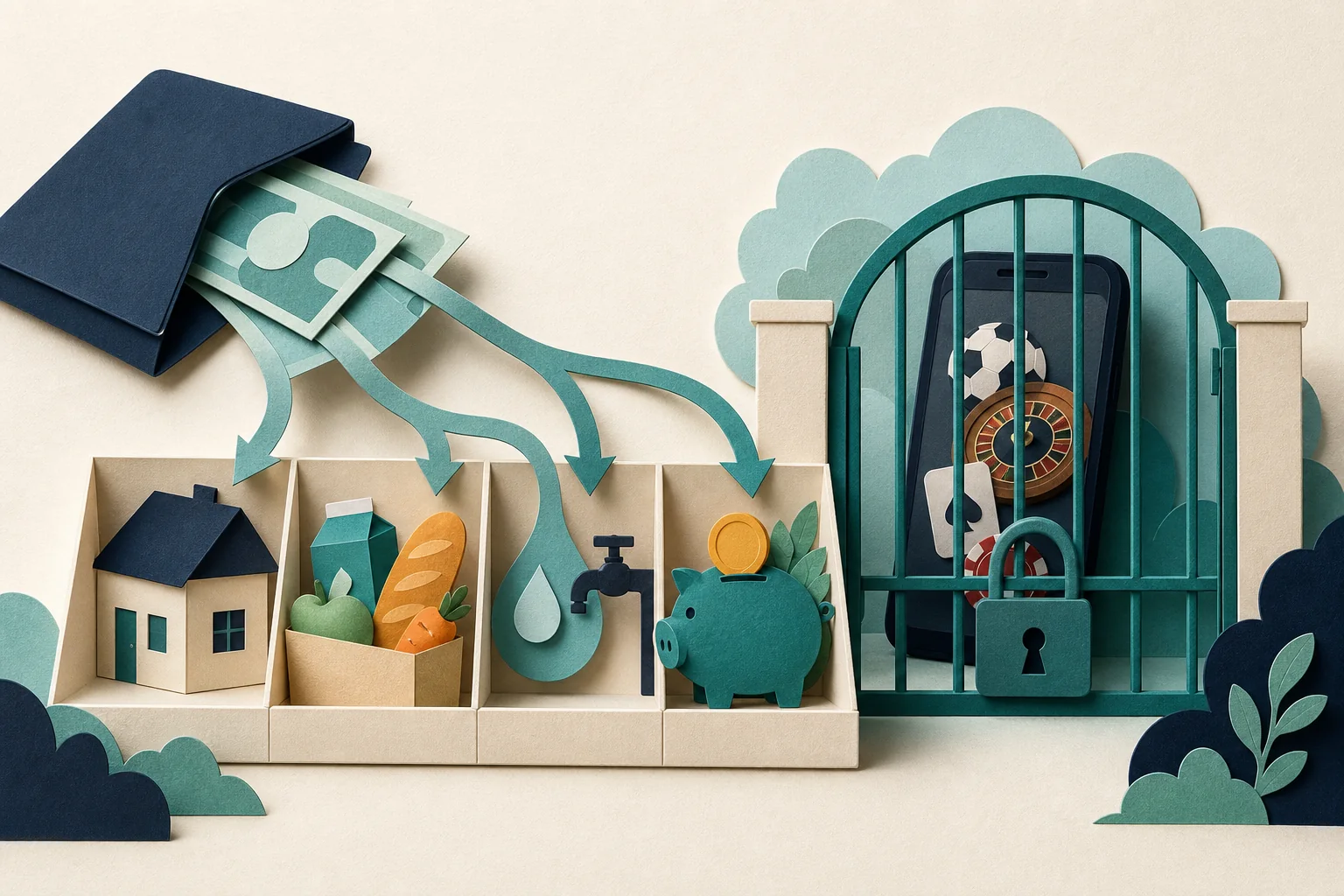
- Protect what remains. Move bill money, freeze the card or activate a gambling-payment block.
- Name the pattern: “I am trying to chase a loss; another deposit creates another loss risk.”
- Contact the person or service already named in your plan and say the amount you are about to protect.
- Wait until tomorrow before reviewing statements or making non-essential money decisions.
What should I do after I stop the session?
First, secure the rest of the day. Remove access, eat, sleep and avoid alcohol or other situations that make another deposit more likely. You do not need to calculate every consequence whilst the urge is still active.
When you are calmer, record the sequence: what happened before the first bet, the point the plan changed, how many deposits followed and which route remained open. Use that information to change the environment. If the bank card was still available, add a block; if a second operator was used, extend self-exclusion; if the chase followed every football loss, plan protection before the next match.
Create an after-loss rule before the next loss
Every form of gambling can produce a loss, so the plan must cover that outcome before play begins. A useful rule removes choice at the moment the loss happens.
- No second deposit on the same day.
- No increase in stake after a loss.
- No switching from sport to casino or slots to recover a result.
- A loss ends the session and triggers a named offline action.
- Any broken rule starts a gambling-free period and a review with support.
Deal with the financial impact outside gambling
If the loss affects bills or debt, separate the financial problem from the urge to gamble. List priority payments, stop new gambling transactions and contact a free debt adviser. MoneyHelper recommends dealing with both gambling and debt because addressing only the balance may leave the behaviour that creates new losses unchanged.
Be honest about the source of the debt. Trained advisers can help prioritise rent, mortgage, council tax, energy and other commitments. Avoid high-cost borrowing or promises to repay the loss through gambling.
When chasing losses needs more support
Seek specialist help if chasing is frequent, involves larger amounts, continues through the night, uses borrowed or essential money, or leaves you feeling unsafe or unable to cope. The National Gambling Helpline is available around the clock, and NHS specialist services can provide treatment.
A reminder before known chase moments can reinforce your rule, but it should sit alongside blocks, self-exclusion and support. If reminders are repeatedly ignored, strengthen access controls rather than sending more notifications.
Direct answers
Common questions
What is GamCare’s advice about chasing losses?
GamCare identifies chasing losses as a sign of gambling harm. Stop the session, protect the money that remains and use its support or the National Gambling Helpline if the urge to win money back is difficult to interrupt.
Why can I not stop after losing?
A loss can create urgency, frustration and a powerful need to restore the earlier balance. Fast access and repeat deposits make that reaction easier to act on. Changing location and blocking money access helps create time for the urge to pass.
What should I say to myself when chasing losses?
Use a factual line: “The loss has already happened. Another deposit is a new risk. My job now is to protect what remains.” Pair the words with an immediate action such as freezing the card or leaving the room.
Should I check the exact amount I lost immediately?
Protect remaining money first. If checking statements is likely to trigger another deposit, wait until you are calmer and review the amount with someone you trust or a support adviser.
Reviewed sources
Sources and further help
-
GamCare: Signs of gambling harm
Specialist guidance identifying chasing losses and other signs of harm.
-
MoneyHelper: Gambling and debt
Guidance on priority bills, borrowing, gambling debt and free advice.
-
NICE guideline NG248
Clinical guidance on assessment, treatment, relapse prevention and support.
-
NHS: Help for problems with gambling
UK support options and practical protections.
General information and planning guidance. Use qualified services for diagnosis, treatment, debt advice or emergency help.
Turn the guide into a plan
Plan the message you need before the next chase deposit.
Put your own stop rule, protected goal and next action into a reminder timed around the patterns you recognise.