Stopping online gambling
How to Stop Online Gambling and Betting: Block Apps, Sites and Payments
Close the routes that make the next bet easy: accounts, apps, websites and payments. Then prepare one action for the moment an urge appears.
Quick answer
How to Stop Online Gambling and Betting: Block Apps, Sites and Payments
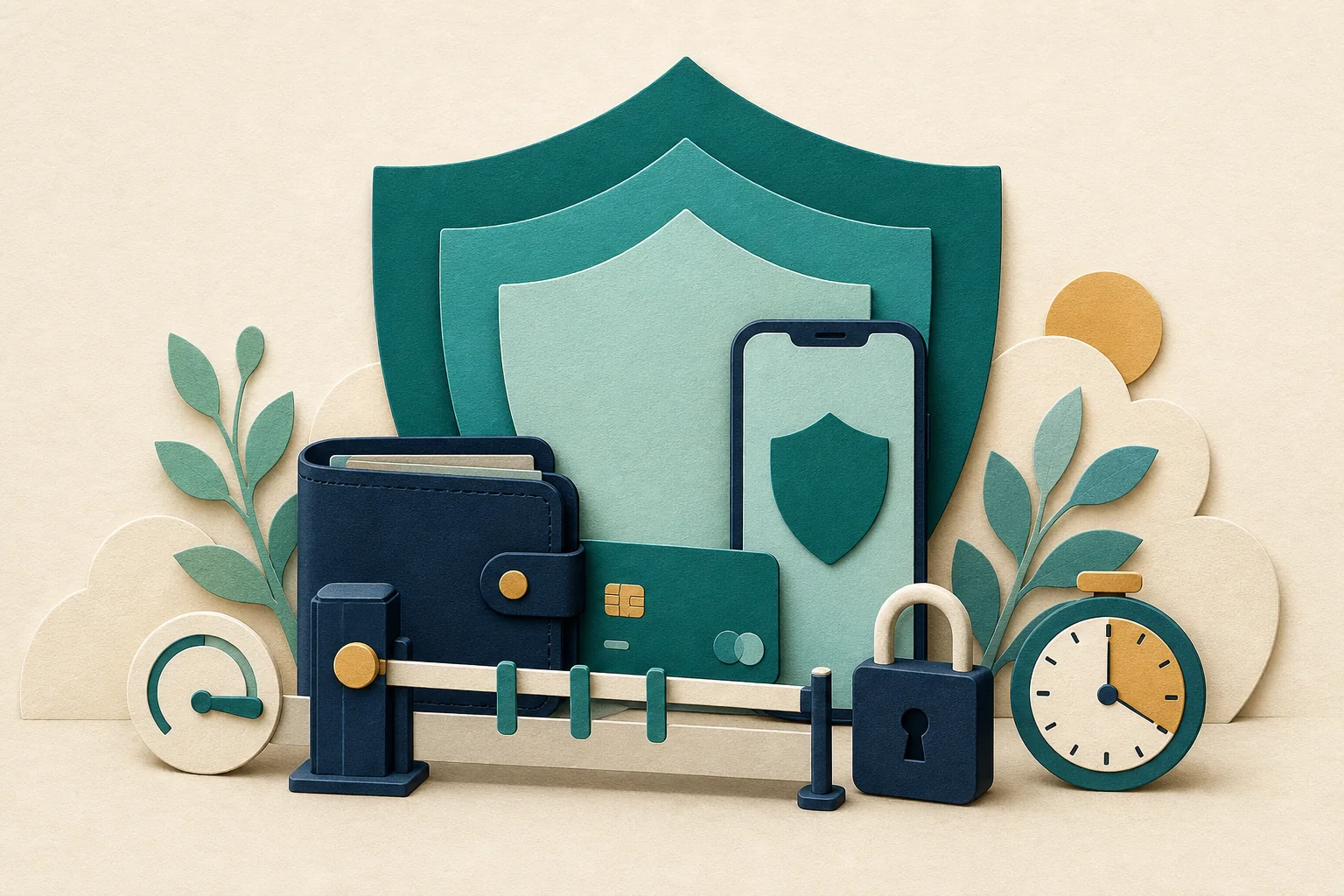
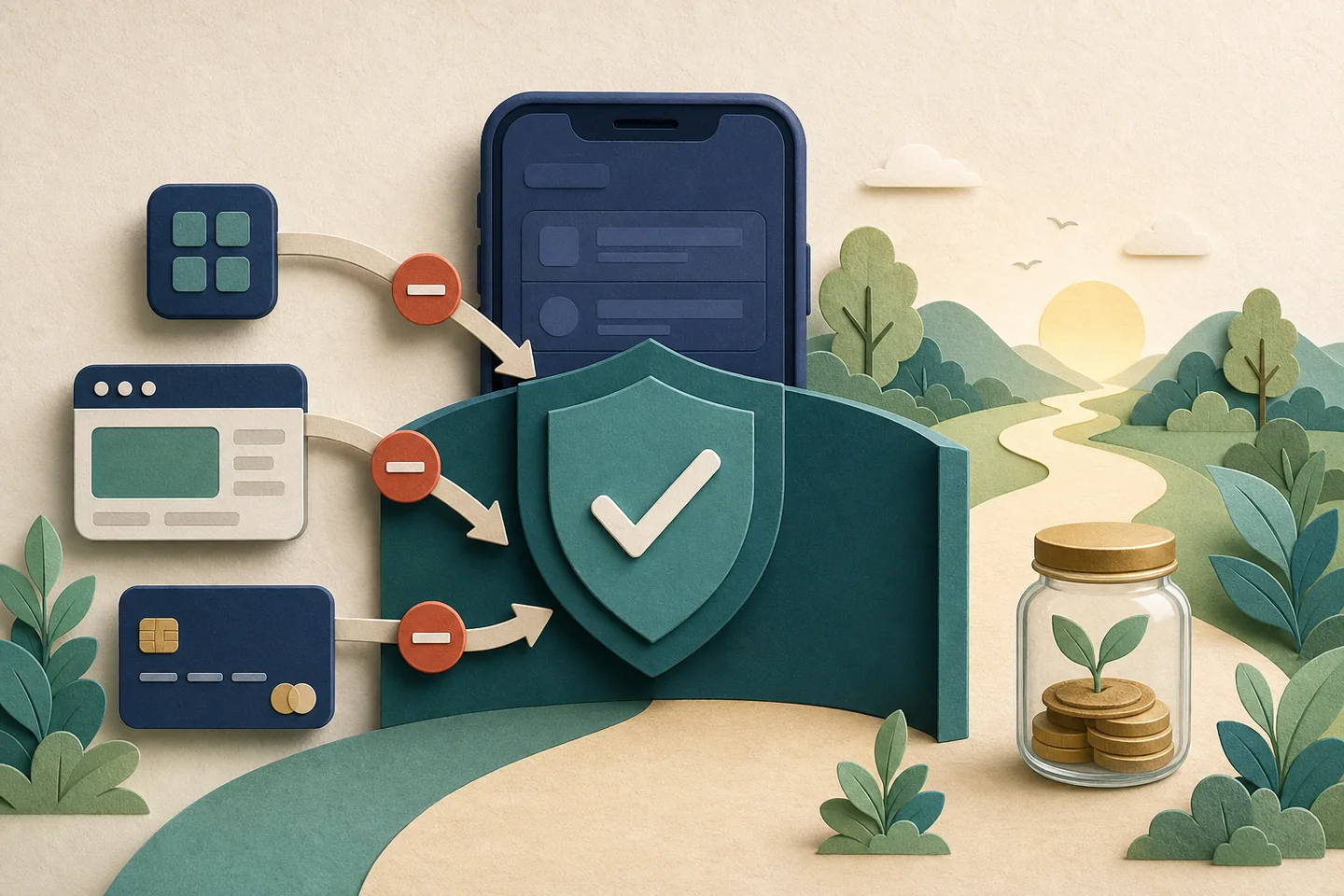
To stop online gambling or betting, close current sessions, protect essential money, register with GAMSTOP for gambling businesses licensed in Great Britain, install gambling-blocking software on every device and activate your bank gambling block. Remove apps, saved passwords, cards and marketing. Tell one trusted person what you are doing, then write one action for the times you usually bet. If gambling has affected debt, mental health or safety, use specialist help alongside the blocks.
Key points
- Block accounts, devices and payments because each protects a different route.
- Protect rent, food, bills and debt payments before the next urge.
- Remove saved access and gambling marketing from every device you use.
- Treat unlicensed or anonymous gambling sites as a warning sign, not a workaround.
- Prepare a quick response for urges and return to support promptly after a lapse.
How do I stop online gambling today?
Start with the route that is open now. Close the gambling app or website and make no final bet. A final attempt to recover money is another gambling decision, not part of stopping. Move rent, mortgage, food, travel and bill money into the place you already use to protect it, or pay those commitments now.
Then reduce the number of decisions you will face during the next urge. Delete gambling apps, sign out of browser sessions, remove saved passwords and payment details, and unsubscribe from gambling email, SMS and push notifications. These steps are strongest when combined with account, device and payment blocks.
- Close the current session and make no further deposit.
- Pay or move essential money before reviewing the loss.
- Register for online self-exclusion and close any accounts outside its coverage.
- Install blocking software on every phone, tablet and computer you can use.
- Activate gambling-payment controls with each bank or card provider you use.
- Tell one trusted person and agree when they will check in.
Use GAMSTOP to close licensed online accounts
GAMSTOP is the free multi-operator self-exclusion scheme for online gambling businesses licensed in Great Britain. Registration uses identity and contact details so participating businesses can match your accounts. Include the names, addresses, email addresses and phone numbers requested, and keep them current.
GAMSTOP says registration can take up to 24 hours to become effective. Use that period to close individual accounts, withdraw any available balance, remove apps and add the other blocks in this guide. Do not test whether an exclusion is working by attempting to sign in.
An account-based exclusion does not control every device or payment route. It should sit beside device blocking and bank controls. If you also gamble in betting shops, casinos, bingo premises or adult gaming centres, use the self-exclusion route that covers those venues.
Block gambling apps and sites on every device
Device-level software such as Gamban is designed to restrict access to a broad range of gambling websites and apps. Install it on every device you can use, including an old phone or shared tablet that could become an easy route during an urge. Check the provider’s current compatibility and removal terms before relying on it.
Add ordinary device controls around the same plan. Remove gambling apps, restrict new app installation where appropriate, turn off personalised gambling adverts and clear gambling bookmarks. Keep banking, emergency and support services available. The purpose is to create friction around gambling whilst preserving access to everyday life and help.
GAMSTOP and Gamban perform different jobs. GAMSTOP acts through participating licensed operators and identity matching; Gamban acts on protected devices. Using both closes more routes than choosing one.
Block payments and protect essential money
Ask every bank and card provider you use about its gambling-payment block. Coverage varies according to the account, payment type and how a transaction is classified. Ask whether the control covers cards, transfers, e-wallet funding and cash, and how long it takes to remove.
Chase UK, for example, lets customers switch on a gambling block in the app. Its official guidance says identified gambling transactions are blocked and there is a 48-hour delay after contacting support before the control can be removed. It also explains that some payments, including lottery tickets bought with normal shopping or cash withdrawn at a casino ATM, may not be identified as gambling. Check the current terms for your own account.
A bank block is a barrier, not a budget. Pay priority bills on payday and keep essential money away from the accounts and cards previously used to gamble. If you have borrowed, missed payments or used bill money, contact a free debt adviser before taking new credit.
Avoid anonymous and unlicensed gambling sites
Searches for anonymous gambling sites often appear when someone is looking for a way around identity checks or self-exclusion. Gambling businesses licensed in Great Britain must verify a customer’s age and identity. A site that promises anonymous access may sit outside those protections and may also fall outside GAMSTOP coverage.
Do not send money or identity documents to a site simply because it appears in a search result, message or advert. Use the Gambling Commission public register to check whether a business is licensed for customers in Great Britain. If the site is unlicensed, leave it, block the domain and report the advert or payment route where appropriate.
Looking for a workaround is useful information about the strength of the urge. Contact the person or service in your plan and add device or money controls around the route you were trying to open.
Replace access with a plan for the next urge
Online betting is available at the same moments that often increase risk: payday, a match, late at night, after drinking, during stress or immediately after a loss. Write an if-then response for the three moments most connected with your gambling. Make the first action physical and immediate.
For example: “If I search for odds after a match starts, I will put my phone in another room, message Alex and walk for ten minutes.” The action changes location, device access and social contact before you begin debating whether to bet.
Replace the time as well as the app. Arrange something specific for the first gambling-free evening or match: watch with someone who knows the plan, exercise, cook, use a different score service or avoid the event whilst the association is strong. A named alternative is easier to follow than a general instruction to distract yourself.
- Payday: pay bills and move savings before discretionary spending.
- Sport: remove odds alerts and decide in advance where and with whom you will watch.
- After a loss: leave the device, freeze payment access and tell someone before reviewing money.
- Late night: charge the phone outside the bedroom and keep the blocker active.
- Stress or boredom: use one pre-booked activity or support contact instead of browsing.
What should I do if a block fails or I bet again?
Stop as soon as you notice and do not chase the loss. Protect the money that remains, tell the person named in your plan and contact the provider responsible for the route that stayed open. Record the account, device or payment method, then close that gap.
A lapse is a reason to return to support quickly. NICE guidance recommends planning for high-risk situations, understanding triggers and maintaining a rapid route back to treatment or other help. Do not wait for Monday, a new month or a larger loss.
If repeated workarounds are defeating your blocks, move beyond a technical fix. The National Gambling Helpline can help you review the pattern, and NHS specialist gambling services in England offer treatment routes. Free debt advice can address arrears and borrowing alongside gambling support.
Use reminders around the moments you can predict
Staying clear of online gambling becomes easier when the plan arrives before a familiar risk moment. A short reminder can bring back what you want to protect and the action you chose whilst calm: pay the bill, close the app, keep the block active or contact someone.
StayClear lets you schedule that message around payday, sport, evenings and other patterns you recognise. Use it with self-exclusion, payment controls, device blocking and human support. Review whether the timing and wording helped, then strengthen the next plan.
Direct answers
Common questions
How do I stop gambling online?
Close the current session, protect essential money, register with GAMSTOP for licensed online operators in Great Britain, install device blocking on every device and activate bank gambling blocks. Remove apps, saved passwords and marketing, then tell one trusted person.
How do I stop betting online on my phone?
Delete betting apps, remove saved logins and cards, install gambling-blocking software, restrict new app installation where appropriate and keep the phone away during your highest-risk times. Add account self-exclusion and bank controls because a phone block alone cannot cover every route.
Does a Chase gambling block stop every gambling payment?
No. Chase says the block declines transactions it identifies as gambling, but some mixed purchases or cash withdrawals may not be recognised. Its current UK guidance also describes a 48-hour removal delay. Check the latest terms in your app or with support.
Are anonymous gambling sites a safe way around GAMSTOP?
No. A promise of anonymous access can indicate that a site sits outside Great Britain’s licensing and identity-verification protections. Check the Gambling Commission register, leave unlicensed sites and strengthen the block around the route you were trying to use.
What is the quickest way to block gambling websites?
Install a reputable gambling-specific blocker on every device, then add GAMSTOP and bank payment controls. Removing apps, bookmarks, saved passwords and gambling adverts makes the device block harder to work around.
Reviewed sources
Sources and further help
-
NHS: Help for problems with gambling
UK support routes and practical steps including bank blocks, self-exclusion and paying important bills first.
-
NICE guideline NG248
Clinical guidance on blocking, high-risk situations, relapse prevention and ongoing support.
-
GAMSTOP: How it works
Official coverage, registration and exclusion-period information.
-
Gamban: What is Gamban?
Official overview of device-level gambling website and app blocking.
-
Chase UK: Add a gambling block
Official instructions, 48-hour removal delay and examples of payments the block may not identify.
-
Gambling Commission: Age and ID verification
Identity-verification requirements for licensed online gambling businesses.
General information and planning guidance. Use qualified services for diagnosis, treatment, debt advice or emergency help.
Turn the guide into a plan
Bring your stop plan back before the next online urge.
Schedule your reason, risk moment and next action, then use the reminder alongside your blocks and support.